








Category: Criminal Law

  • Commandment #1: Vigilantism—with Love and Care

    Commandment #1: Vigilantism—with Love and Care

    In 1998, my parents began the long road to Canada, filing papers with the Canadian embassy under what was then the Skilled Worker category. They were comfortable in English and were studying French.

    Eight years later, one July afternoon in 2006, I was heating lunch when the phone rang. By then we had supplied every document the embassy requested; my parents had even flown to Abu Dhabi for an interview where—my father recalls—“the officer was so respectful that your mother and I looked at each other and nodded, certain Canada was the place our family would soon call home.”

    On that July call I picked up to a cascade of greetings—“hello, bonjour, salam.” For no particular reason I answered “hello,” and the conversation shifted to English: our visas were ready. We would be landing as permanent residents. Six months later, we walked into Toronto Pearson with ten duffel bags—literally, ten.

    Seventeen years on, we are all proud Canadians. Both my sisters went through rigorous years of medical school, dedicating themselves to helping others through care and compassion. I, too, was drawn to a profession of service—though mine took shape in the courtroom rather than the hospital.

    After earning my undergraduate and master’s degrees in engineering at the University of Waterloo (and yes, I’m proud of that!), I decided to take a different path. I went to law school with one purpose in mind: to serve those in need. And so I did!

    But much has changed since then. I could write pages about why, but here’s what it feels like: seventeen years ago, I would leave my bicycle—my first real purchase, paid for with Quiznos shifts—unlocked outside our rent-controlled building and trust it would still be there in the morning. Today I carry a wheel lock in my car and double-lock the car I care less about than I once cared about that bike.

    As I said earlier, the “why” isn’t my focus. We could point to the globalization, the pandemic, the post-pandemic downturn and inflation, etc.—but that’s not why I’m writing this piece.

    This isn’t about the causes; it’s about what we—yes, you and I—can do now.

    The 12 Commandments by Sidney Zarabi 

    Let’s get one thing straight:

    I’m not here to preach. I’m not your therapist, your priest, or your probation officer.

    But I am your criminal defence lawyer. And if you’ve ever sat across from me after a night in holding, you know I’ll fight like hell for you—but I won’t sugarcoat anything.

    What follows isn’t legal advice (fine, it kind of is), and it’s not a moral code (unless you want it to be).


    It’s what I’ve learned from a hundred court appearancesclient calls, and more bail hearings than I can count.

    Think of it as vigilantism—with love and care. Because in a system designed to wear you down, being informed is an act of rebellion.

    Let’s begin:

    1. Love thy neighbour—or grow old trying. 

    If you need to call 911 for someone in an apparent mental-health crisis (psychosis, disorientation, not acting like themselves), tell the dispatcher exactly what you’re seeing and say it’s a      mental-health emergency. If available, ask for a mobile crisis team or officers trained in mental-health response. Share useful details—any known triggers. If there are any weapons, make sure you tell the dispatcher. Our police and other first responders put themselves in harm’s way; with better information, they can de-escalate. We don’t need a repeat of tragedies; like this one:

    https://www.cbc.ca/news/canada/toronto/toronto-police-officer-pleads-guilty-charges-shooting-devon-fowlin-1.7618910.

    De-escalation reduces the need to lay criminal charges and eases the strain on already overburdened courts. When matters are resolved on scene, people can be directed to treatment rather than detention.

    Most cases I handle have a mental-health dimension, and a fair share could be addressed outside the courtroom. When that happens, I can devote more time and resources to other matters and—more importantly—work with community partners to build rigorous, humane release plans, not just argue for release. As a senior Justice of the Peace once told me, “Mr. Zarabi, I can see that your proposed plan of release is now perfected.” 

    Perfected means the person isn’t back in custody the next day: they have weather-appropriate clothing, a safe bed, counselling and medical appointments (if they’re willing), and a way to get there—bus tickets or cab fare—and more.

    2. Honor thy First Responders— While Knowing Your Rights 

    The more closely a community is woven with its police and emergency services, the easier it is for those who serve to resolve matters safely. (To be continued in next week’s edition of our blog.) …

    Sidney Zarabi
    Criminal Defence Lawyer

  • Commandment #2:Thou shalt respect thy First Responders

    Commandment #2:Thou shalt respect thy First Responders

    In my last blog, after a brief introduction about myself and my family’s journey, I touched on the role of compassion and vigilance when responding to mental health crises in our communities. I spoke about how small choices—such as what we tell a 911 dispatcher—can shape outcomes, directing people toward care instead of custody.

    This week, I want to continue that conversation by turning to my second commandment: 

    2. Honor thy First Responders, While Knowing Your Rights. 

    First responders—police officers, paramedics, firefighters—step into situations most of us would never willingly face. They respond to calls not knowing what awaits them on the other side of the door. Their work is demanding, dangerous, and often underappreciated. Honouring their service means recognizing the risks they take and the sacrifices they make for community safety.

    But honouring our first responders doesn’t mean surrendering our rights. In fact, knowing your rights is part of what keeps our justice system balanced. Respect and accountability can exist together. You can cooperate with police, answer questions calmly, and still exercise your legal protections—whether that’s your right to remain silent, your right to speak with a lawyer, or your right to be free from unreasonable searches.

    The strongest communities are built not only on trust in those who serve, but also on citizens who are informed and empowered. Respect for first responders, combined with awareness of your rights, creates safer encounters for everyone.

    However, As it was put bluntly in The Departed

    “When you’re facing a loaded gun, what’s the difference?”

    In those moments, the difference is everything. The difference is knowing you still have the right to silence, the right to counsel, and the right to be free from unreasonable searches. The difference is asserting those rights calmly, without hostility, so that respect for authority and protection of liberty can coexist.

    First, focus on your own safety, calm, and composure. Nothing escalates a situation faster than panic or aggression. Respect the fact that first responders are trained to assess threats quickly, and your behaviour—your tone, your words, even your body language—can determine whether an encounter stays calm or spirals.

    But once you’ve secured your safety, remember this: respect does not mean surrender. You still carry your rights with you—your right to silence, your right to counsel, and your right to be free from unreasonable searches. As The Departed reminds us, “When you’re facing a loaded gun, what’s the difference?” The difference is knowledge. Knowing your rights, and calmly asserting them, is what protects you in the very moments that feel most powerless.

    Honouring first responders while holding firm to your rights is not contradiction—it is balance. It allows for cooperation without submission, and for accountability without hostility. 

    That balance is where justice truly lives.

    You can stand calm, show respect, and still protect yourself. Rights are not obstacles to justice—they are the safeguards that make justice possible.

    One of the most powerful rights you carry is the right to silence—and with it, the right to legal advice before you make any statement. Too often, people feel pressure in the moment to explain themselves, thinking it will make things better. In reality, speaking too soon can create confusion, contradictions, or evidence that works against you later. Once words are spoken, they cannot be taken back.

    But cooperation does not mean self-incrimination. You can comply with lawful instructions—such as providing identification when required, moving aside when asked, or following safety directions—without offering details that could later harm your case. This is the essence of balance: cooperativeness without incriminating yourself.

    For example, if an officer asks where you are coming from or what you were doing, you are not required to answer beyond providing basic identification. A respectful response could be: Officer, I’d prefer not to answer questions without legal advice. This strikes the right balance—showing respect for authority, while firmly protecting your rights.

    Remember: exercising your right to silence is not an admission of guilt. It is a recognition that legal matters require legal guidance. By holding your words until you have spoken to a lawyer, you protect both your rights and your future.

    At 10(B) Criminal Law Center, we believe that knowledge is power. Staying informed about your rights, the justice system, and your community is the first step toward protecting your future. That’s why we share insights, strategies, and real courtroom experiences through our blog. Swift, Decisive, Determined—we bring the same values to our writing as we do to our advocacy. Subscribe today to receive updates directly in your inbox and be part of a community built on transparency, respect, and integrity.

    Simply join our email list to receive updates and information.

  • Commandment #3: You Shall Not Commit ANY Offences While on Bail

    Commandment #3: You Shall Not Commit ANY Offences While on Bail

    Let’s be real for a second.

    When you’re on bail, you’re walking a tightrope between freedom and custody. The court gave you a chance — a second shot at breathing free air — and now the entire system is quietly watching to see if you can handle it.

    Your only real job?
    Don’t mess it up.

    No new charges.
    No new allegations.
    No “it was just a small thing.”

    There’s no such thing as “minor” when you’re on bail.
    Because to the court, a “small thing” says one big thing:

    “I can’t be trusted to follow orders.”
    And once that thought takes hold, getting out again becomes like trying to push water uphill.

    What’s this bail thing about, anyway?

    A bail hearing is not about proving guilt or innocence.
    While the allegations do matter—they help the court understand the context—they aren’t the central issue.

    The real question is:

    Can you be safely released, and under what conditions?

    Bail hearings in Ontario are overseen by Justices of the Peace, formally addressed as “Your Worship” (not “Your Honour,” which is reserved for judges). Their role is to weigh the Crown’s concerns against your lawyer’s submissions and decide whether you can be trusted to remain in the community while your charges are pending.

    If you’re granted bail, it comes with a simple, yet serious, set of expectations.

    Once you’re out, you have ONE job.

    (Okay… technically two, but let’s start with the big one.)

    • No new charges.
    • No fresh allegations.
    • No minor slips that spiral into major breaches.

    And here’s the deal: don’t test the system. Don’t play in the grey zone. Don’t let frustration, boredom, or bad company write your next set of conditions. When you’re released on bail, you’re holding the court’s trust in your hands. Protect it like it’s gold.

    Sounds simple, right?

    You’d think so.
    But if I had a penny for every client who reoffended while out on bail, I’d be writing this blog from Greece—reclined under the sun, sipping a margarita by the Mediterranean.

    Instead, I’m sitting in my office on a Sunday morning… trying to remind you:

     DO. NOT. REOFFEND. Not even a little. 

    Even if it feels “minor”—whatever minor means to you—every offence matters, and every breach counts. The system doesn’t grade your mistakes on a curve.

    In Canada, you have a constitutional right to a bail hearing. It’s a cornerstone of our criminal justice system, deeply tied to your presumption of innocence under section 11(d) of the Charter of Rights and Freedoms. In fact, bail is supposed to be the rule, not the exception.

    So take your bail conditions seriously—because the courts will.

    Sit down with your lawyer.
    Go over every single condition of your release.
    Then go over it again.

    I personally spend 30 minutes explaining the release conditions to my clients, knowing full well they’re barely listening because they’re just excited to go home. But I don’t stop there. I call them within 24 hours and go over the conditions again, step-by-step.

    Surprisingly—and knock on wood—as simple as this sounds… It works.

    Because here’s the truth:

    If you reoffend while on bail, your second shot at freedom becomes a whole lot harder—if it’s even available at all.

    You become part of that revolving door the justice system knows too well.
    And once you’re in that cycle, getting out becomes the fight of your life.

    Sidney Zarabi

    Criminal Defence Lawyer

  • Thou shall follow your bail conditions!

    Thou shall follow your bail conditions!

    Thou shall follow your bail conditions. 

    Because freedom is fragile — and justice is what keeps it alive. 

    So… What About This Bail Thing?  

    I’m not sure even divine intervention could help me fit this topic into one blog post, but here it goes. Because really, without understanding the history behind “bail” — how it evolved through time, how it was enshrined in our Constitution, and how it compares to what happens in other parts of the world — we can’t truly appreciate what it means or why it matters.

    Now, I’m not going to pretend to be a historian or quote philosophers and scholars who wrote about prisons and revolutions.  Hmm… never mind, I’m going to. Aleksandr Solzhenitsyn, in The Gulag Archipelago, put it best: 

     “You only have power over people as long as you don’t take everything away from them. But when you’ve robbed a man of everything, he’s no longer in your power—he’s free.”

    He wrote about men taken in the night, vanishing without trial or bail, their fates decided not by justice but by fear. 

    For me, that’s not just a passage from history — it’s personal. It’s my father’s story.

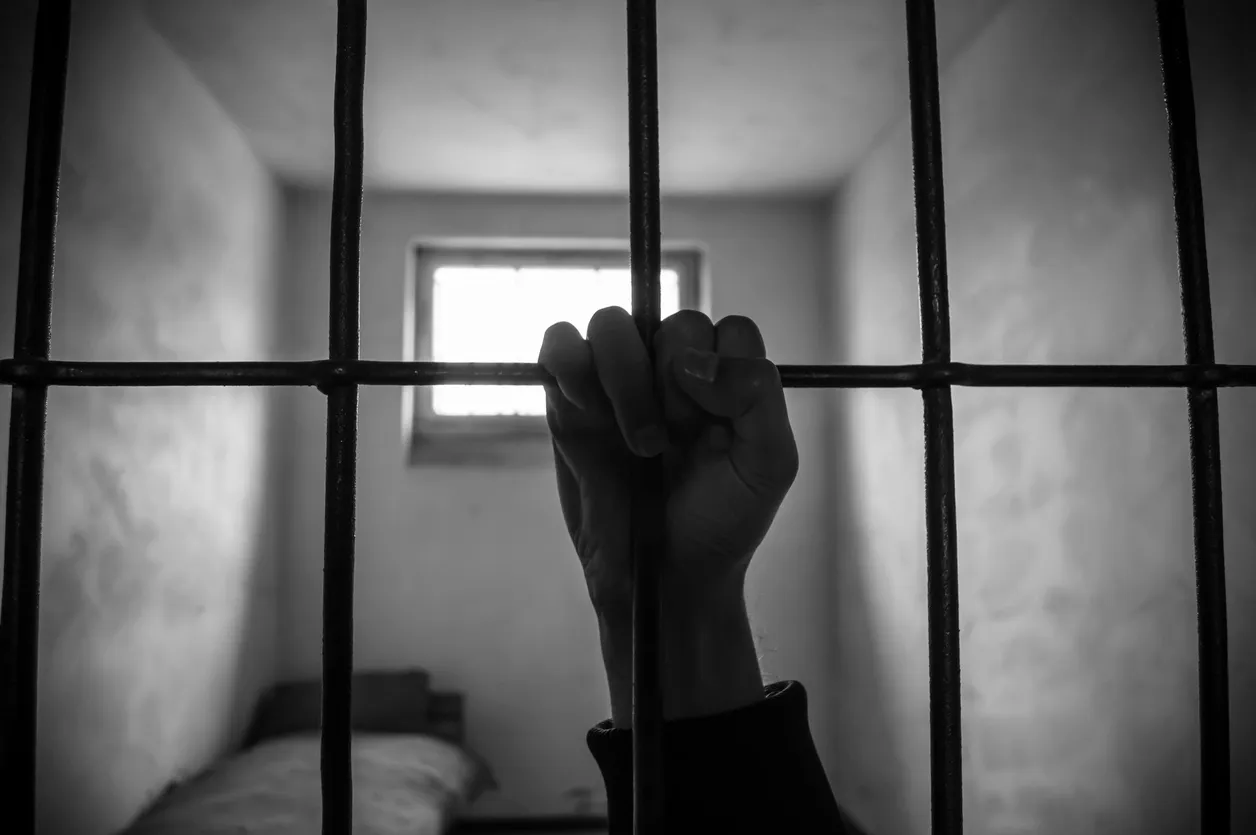
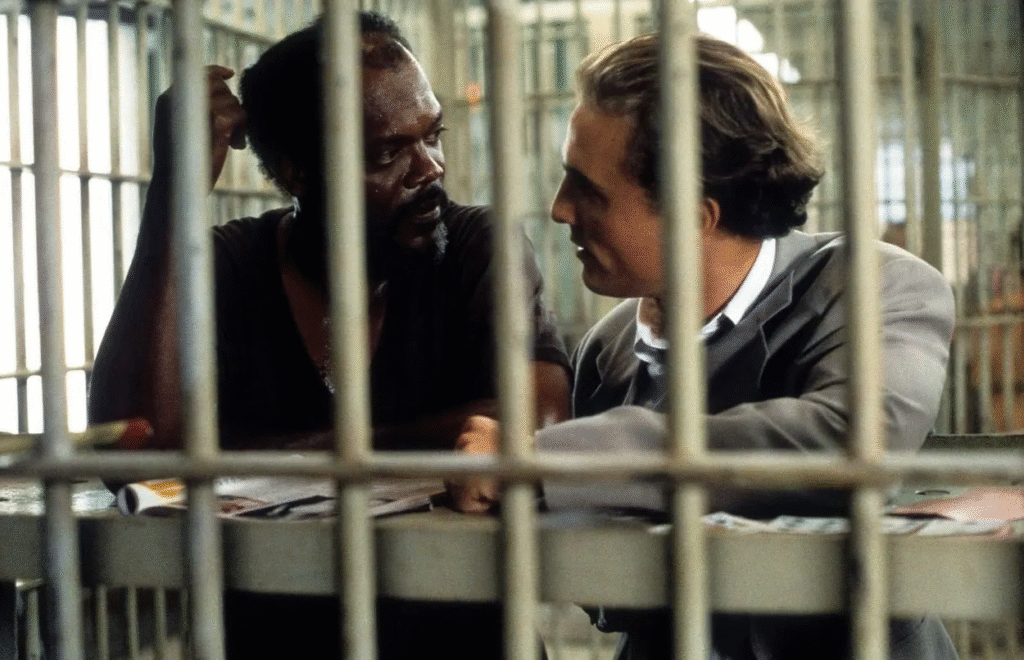
    He was taken away one night by people we didn’t know. No warrant, no explanation — just gone. For three long months, we didn’t even know where he was. There was no bail, no hearing, no chance for anyone to intervene. When we finally found him, he was standing with a noose around his neck. His childhood friend — now part of the revolutionary guard — stepped in at the last moment. 

    The condition for his release was simple but cruel: he had to promise never to speak of women’s rights or say anything against the government.

    And he agreed. They shaved his head, took the rope away, and let him go.

    But the memory — that rope, that helplessness, the silence that followed — killed him from the inside, one day at a time. 

    And that, right there, is why bail matters. 

    It’s not just a legal technicality or courtroom procedure. It’s a safeguard, a promise that no one can be stripped of their liberty without oversight, without reason, without a fair chance to defend themselves. It’s one of those quiet, powerful protections that separate democracy from tyranny.

    Under Section 11(e) of our Canadian Charter of Rights and Freedoms, the cornerstone of our Constitution and the umbrella that shelters so many of our rights, every person has 

    “the right not to be denied reasonable bail without just cause.”

    That single phrase carries centuries of hard-learned lessons about justice, fairness, and freedom. It reminds us that liberty cannot be a privilege handed down by the state — it must be a right protected from it.

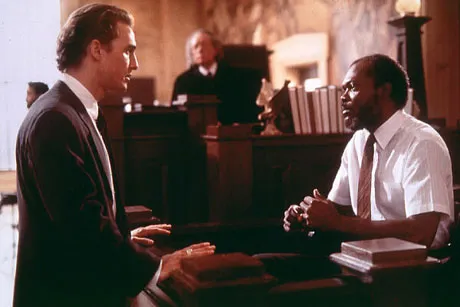
    Now, I’m going to borrow from one of my favourite closing arguments in film history — from A Time to Kill.

    “I’m going to ask you all to close your eyes while I tell you the story. I want you to listen to me. I want you to listen to yourselves. Go ahead. Close your eyes, please.”

    This is a story about a young man in his late twenties. He has a lengthy criminal record, the kind that makes judges frown before the file is even opened. In his younger years, he battled drug addiction. 

    He broke into houses, stole whatever he could, just to feed his habit.

    Then, he met a lawyer who cared — someone who didn’t just fight for him in court, but helped him find the support and resources to rebuild his life. He listened. He got clean. He found work. He started a family. For the first time, he had something to lose.

    But life wasn’t easy. He worked long hours, often past midnight, still barely able to pay his bills. One night, his manager was closing the store and began counting the cash. The numbers didn’t add up. Two thousand dollars were missing. He counted again. Still short.

    He called the young man; the same man who once stole to survive. Then he called the police.

    The young man sits crying alone as he’s detained, broken, exhausted, and scared. By the time morning comes, he’s been charged. And now, it’s time for his bail hearing. 

    He stands before the court, watching as his bail hearing unfolds. 

    You can see him beaten, broken, trembling. 

    And because of his criminal record, he’s detained — left to wait in the cold silence of detention until his trial, or until the harshness of confinement breaks him into pleading guilty to a crime he didn’t commit. 

    By then, he has lost his job, his home, his family, and above all, his dignity. The memory of detention — the helplessness, the silence that followed, slowly kills him from the inside, one day at a time. 

    Now, slowly open your eyes. Imagine this young man is your son, your brother, your nephew. He fought the hardest battle of his life — addiction — and won, only to find himself trapped once more. Despite the presumption of innocence, he waits for his trial behind bars.

    So what now? Bail reform isn’t a matter of black and white. It’s not a zero-sum game between public safety and individual rights. 

     It’s about finding balance — about recognizing that behind every charge, every case number, and every court appearance, there is a human being.

    We must remember that bail isn’t mercy. It’s justice. It’s the recognition that a person’s liberty should not depend on their past, their income, or the weight of society’s assumptions.

    Reforming bail isn’t about making the system softer, it’s about making it fairer. Because the measure of a just society isn’t how quickly it punishes, but how carefully it protects.

    And maybe, just maybe, if we can see the humanity in that young man — or in my father, or in anyone standing before a judge — we might begin to understand what justice is really supposed to look like. 

    Written by Sidney Zarabi
    Criminal Defence Lawyer 

    If you enjoyed this post or believe these conversations matter, please subscribe and share to help spread awareness about justice, fairness, and reform.

  • When You Get a Flat Tire, Don’t Slash the Other Three!

    When You Get a Flat Tire, Don’t Slash the Other Three!

    When life goes sideways, don’t make it worse by self-sabotaging. Fix the damn tire and keep driving.

    We all hit bumps — a bad day, a mistake, a setback. The problem isn’t the flat tire; it’s when we take our frustration out on the rest of the car. Instead of burning everything down, slow down, take a breath, and fix what’s broken. The road’s still waiting for you.

    Now, if I had a penny for every disclosure I’ve read that starts with “the accused was intoxicated,” I’d have bought my dream farm on the Mediterranean coast and wouldn’t be writing this blog. But here we are — another night, another disclosure, another case where someone got a flat tire and decided to torch the whole car.

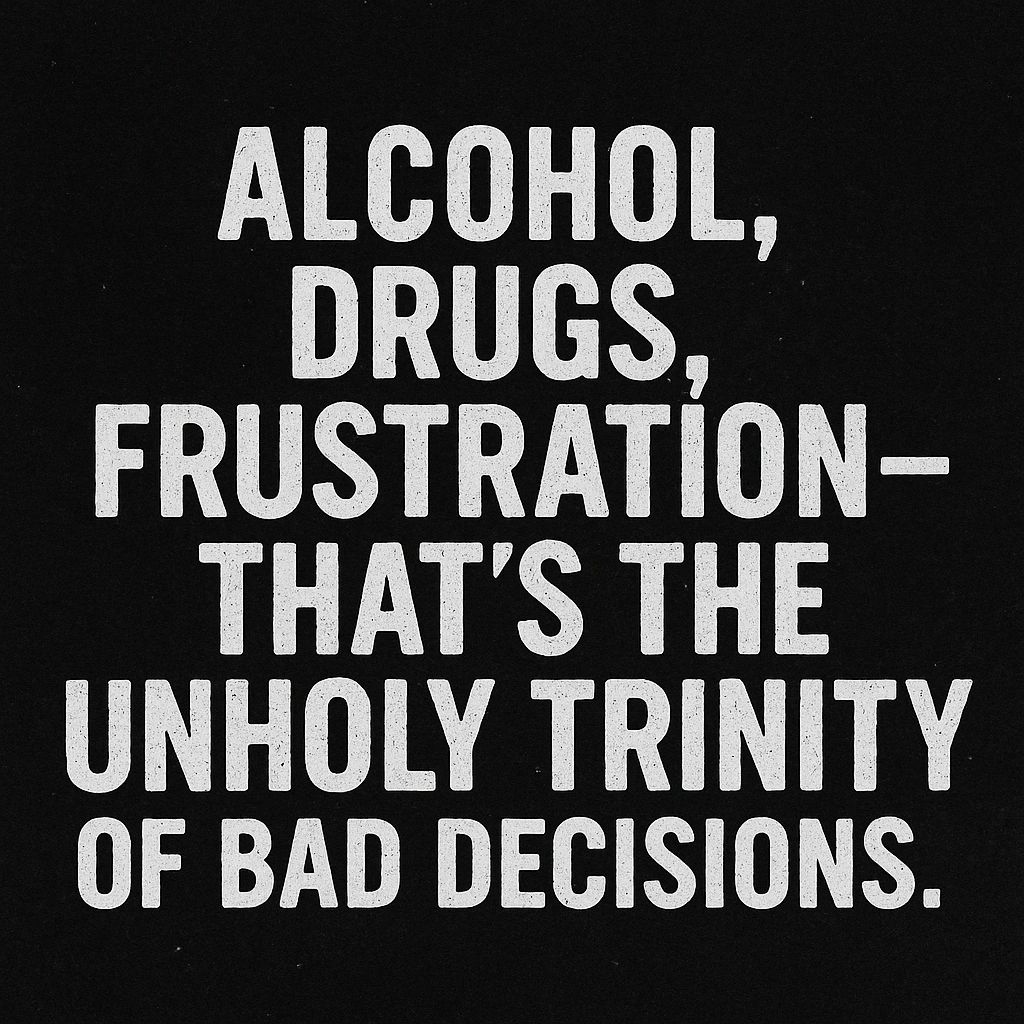
    Alcohol, drugs, frustration — that’s the unholy trinity of bad decisions. 

    The flat tire might’ve been something small: a breakup, a fight, a rough day at work. But instead of pulling over and fixing it, they kept driving on the rim until sparks flew. Then they wonder how the whole thing went up in flames.

    As defence counsel, I see it every day. People don’t get into trouble because they’re evil — they get into trouble because they don’t stop when they should. They react instead of reflect. They slash the other three tires and call it fate.

    The truth is, we’ve all been there in some form. Maybe not behind the wheel with a .12 BAC, but in life — saying something we can’t unsay, making a move we regret, running from a mess we made. The difference is whether we stop to fix it or keep driving until it’s unrecognizable.

    So next time you feel the wheel wobble, don’t grab the knife. Grab the jack. Fix the damn tire and keep driving.

    I had a client once tell me her family would be okay if she did cocaine, but not if she drank.

    I went to my cave — that quiet mental place where lawyers go to wrestle with the absurd — and tried to make sense of it. Nothing did. So I left the cave, picked up the phone, and called her.

    “What the hell are you talking about?” I asked.

    She laughed — a kind of tired laugh that’s seen too much. “When you drink, you start making deals with yourself — promises you never keep. One more to take the edge off, one more to forget. And that’s when you call that friend you shouldn’t, and the drugs show up. No one just does cocaine. It’s not a choice; it’s an arrival — but not the last stop on the road you’ve been driving down all night.”

    And that hit me. Not because I agreed, but because it was honest. Brutally honest. People rationalize destruction in ways that make sense only to them in the moment. It’s survival logic — the kind that turns a flat tire into an explosion because silence feels scarier than chaos.

    No one “just does coke.” First you’re angry — or you find something to be angry about. Then you justify having that first drink (the flat tire). Before you know it, a hot nerve lights up your spine and your brain appoints you arbiter of everything life’s thrown at you — and victim of it all. That’s slashing the second tire.

    Next you call that one friend you should’ve stayed away from, and there come the drugs — the third tire’s gone too.Frustration follows, because by the end of the night the original problem is still there and you’re worse off. 

    That’s when people cross the line — and I’ll see you the morning after, in bail court.

    Every story I read in a disclosure file starts with a flat tire — something small that spiraled. Every story also ends the same way: someone wishing they’d just stopped, fixed it, and kept driving.

    So if you’re wobbling down the road tonight, don’t light the match. Don’t call the friend. Don’t slash the other three tires.


    Fix the damn tire and keep driving.

    Written By:

    SIDNEY ZARABI

    Criminal Defence Counsel 

    10(B) CRIMINAL LAW CENTER

    B.A.Sc. (Hons.) Eng., M.A.Sc. (Eng.), J. D.

    Office: +1 888 886 1022 | Mobile: +1 416 856 5728

    226-110 James Street

    St. Catharines, ON L2R 7E8
    www.10bclaw.com

    Please Subscribe to our blog for weekly update!

  • The Court Has No Stamp Marked Innocent

    The Court Has No Stamp Marked Innocent

    If You Are Seeking Absolution

    If you are seeking absolution,
    take a trip to Jerusalem, or Mecca, or the Vatican —
    because the court does not have a stamp marked INNOCENT.

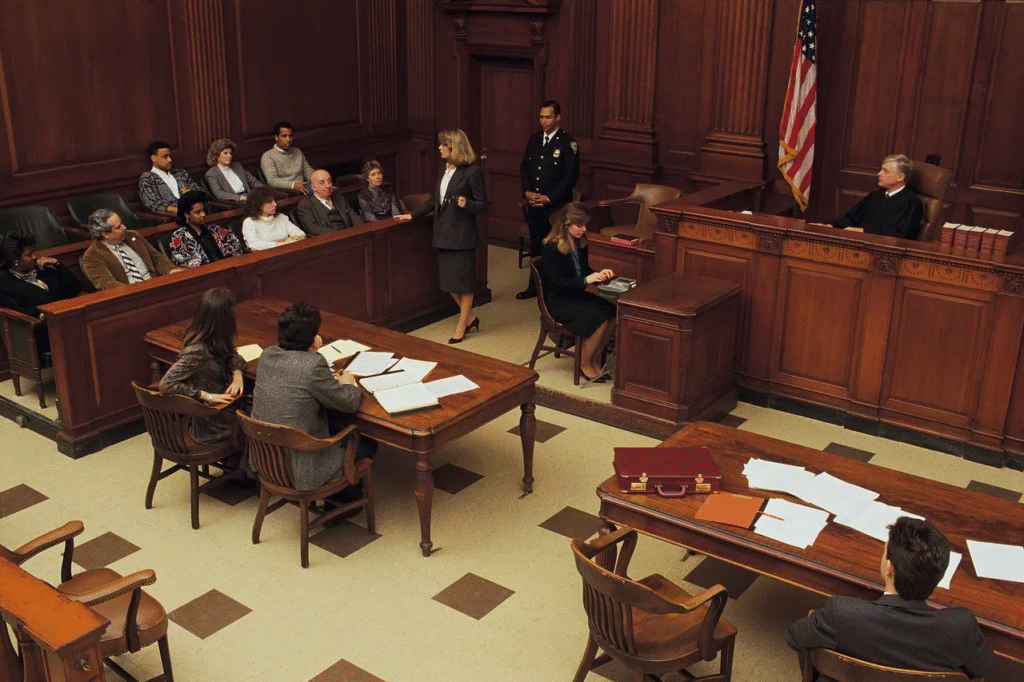
    The courtroom is not a temple.
    It is a machine — one that measures evidence, not intent; conduct, not conscience.
    It does not forgive — it decides.
    It does not cleanse — it closes.

    People often mistake a not guilty verdict for redemption,
    but the court cannot grant what faith, forgiveness, or time alone can offer.
    The law can set you free, but it cannot make you whole.


    The Illusion of Vindication

    Long ago, I had a client who refused to accept a withdrawal of her charges.
    She wouldn’t even consider a peace bond as a way to resolve her matter.
    She wanted her day in court — to prove to the world that she was innocent.

    “But what she didn’t realize is that the justice system isn’t built to vindicate you. It’s built to adjudicate you.”

    A withdrawal doesn’t mean you’re guilty.
    A peace bond doesn’t mean you’ve lost.
    And even a verdict of not guilty doesn’t carry a certificate of innocence.

    The system can clear your record, but not your name —
    not in the way most people imagine.
    That’s the painful truth: in the justice system,
    vindication is a story you tell yourself, not one the court writes for you.


    The Court Is Not a Playground

    The court is not a playground either.
    It’s not a stage for theatrics, nor a place to chase every piece of unnecessary evidence.

    Litigation isn’t about noise — it’s about necessity.
    Every argument, every exhibit, every cross-examination should serve a purpose.
    Because when the courtroom becomes a playground, justice becomes a game.

    If the evidence is irrelevant, leave it outside.
    If it matters, fight for it — relentlessly.

    Ask your lawyer to be more litigious when it counts,
    because if they aren’t fighting for the evidence that matters,
    they aren’t doing their job.

    “The courtroom deserves precision, not performance.
    And justice deserves advocates, not actors.”


    Respect, Procedure, and Perspective

    So next time you are speaking to your lawyer,
    consider the amount of weight and pressure they are under.
    Every decision, every objection, every silence carries consequence.

    Yelling at them because they didn’t raise inadmissible or irrelevant evidence
    won’t take you far — and it won’t help your case.

    The court has respect. The court has procedure. The court has rhythm.
    And those who ignore it risk being heard less, not more.

    “Litigation is not about arguing everything —
    it’s about arguing the right things, the right way, at the right time.”

    A good lawyer knows when to speak and when to stay silent.
    That balance is not weakness — it’s wisdom.

    So trust the process, trust your advocate,
    and remember that the measure of justice is not in how loud we speak,
    but in how well we are heard.

    About the Author

    Sidney Zarabi is a criminal defence lawyer at 10(B) Criminal Law Center,
    writing about the human side of the justice system —
    where law, conscience, and compassion meet.

  • Brick by Brick: Building Stability in Uncertain Times

    Brick by Brick: Building Stability in Uncertain Times

    “For to everyone who has, more will be given and he will grow rich; but from the one who has not, even what he has will be taken away” Matthew 25:29 

    I wish I could simply say: focus on your physical and mental health and the budget will balance itself — but unfortunately, that’s not how life works, nor the economy but that’s a whole other discussion for another day. When your financial affairs are not in order, your mental health is the first to take the hit, followed by your physical health. And somewhere in between, you become far more prone to doing something you wouldn’t normally do.

    When dealing with first-time offenders, financial instability is almost always one of the top contributing factors.”

    So you ask: I don’t have much control over my financial stability. I don’t have a job, I’m on ODSP, and working is difficult for me.

    My answer is this: first, you acknowledge the situation. Then you plan. After that comes execution — and most importantly, consistency

    Sometimes we have to pause and remind ourselves that Rome wasn’t built in a day. Think about Noah: year after year, he worked on an ark no one believed he needed. The sky was clear, the days were long, and still he kept building — plank by plank — because he trusted in the purpose behind the work.

    In many ways, people today are doing something similar. They’re trying to break cycles that have followed them for generations. At first, it can feel like you’re just stacking a single brick on top of another, wondering if it will amount to anything. But over time, those small, steady choices begin to form a wall, and eventually, a home — a place of safety, identity, and stability.

    The danger comes when those bricks are thrown aside, when frustration or hopelessness makes giving up seem easier, when slipping into an offence starts to look like the only path forward. But the truth is, stability is built the same way Noah built his ark: slowly, faithfully, and long before the storm arrives.

    So don’t give in so easily. Stay on top of your finances, and remember that financial instability can happen to the best of us. What truly matters is how we navigate those stormy days — with patience, resilience, and the determination to keep laying each brick, even when the ground feels unsteady beneath us. And above all, stay away from criminal offences, because every choice you make during the hardest times shapes the foundation you’re building for your future.

    About the Writer
    Sidney Zarabi is a criminal defence lawyer and the founder of 10(B) Criminal Law Center. He spends his days (and too many late nights) representing people whose lives have been entangled with the justice system — often not because they’re criminals, but because they’re broke, broken, or both.

    He writes to remind us that behind every case file is a story — usually one that starts with hope, not harm.