









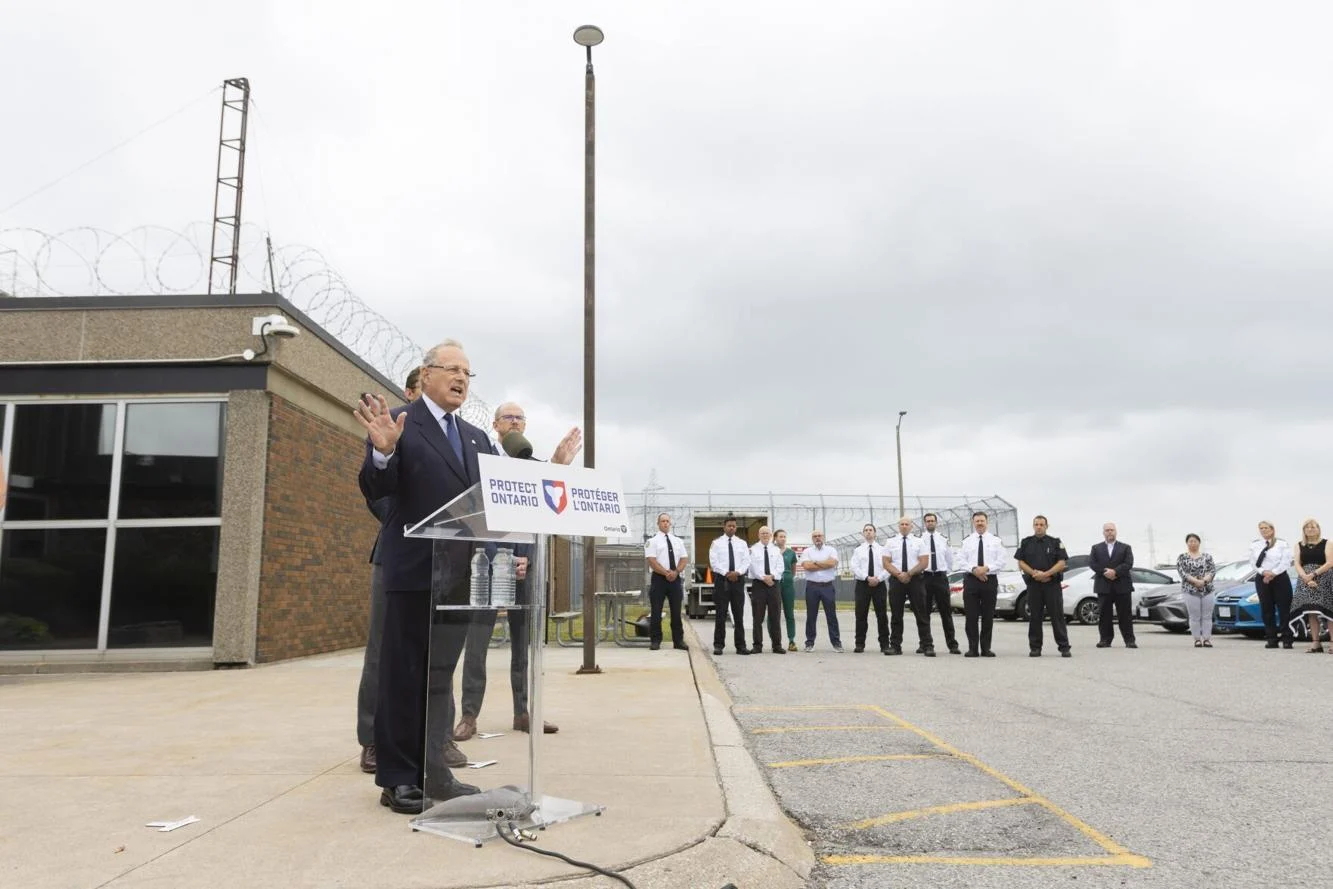
In recent years, Niagara Detention Centre overcrowding has become a growing concern in Ontario’s correctional system. Instead of expanding incarceration facilities, policymakers may need to reconsider alternative approaches that balance public safety, rehabilitation, and economic sustainability.
Recent data from Statistics Canada highlights the financial and social implications of incarceration, prompting a broader discussion about how Ontario addresses detention and rehabilitation.
The High Cost of Incarceration in Ontario

According to Statistics Canada, the average cost of housing an inmate in Ontario’s correctional facilities, including the Niagara Detention Centre, reached approximately $357 per day in 2023 and 2024.
To put this into perspective, the average daily income for Ontarians aged 25 to 54 was about $193 per day. However, income inequality across the province tells a deeper story.
Statistics further indicate that half of Ontarians earn less than $155 per day before taxes, meaning the cost of incarceration far exceeds the daily income of a significant portion of the population.
This stark contrast raises important questions about whether the current system is the most effective way to promote justice, accountability, and community safety.
The Hidden Economic Costs of Detention
The daily cost of incarceration often reflects only the direct operational expenses, including staffing, facilities, meals, and security. However, the broader economic consequences extend far beyond these figures.
When individuals are incarcerated, several hidden costs emerge:
- Loss of employment and income
- Unpaid rent and financial instability
- Family disruptions and relationship breakdowns
- Children entering foster care systems
- Increased social marginalization after release
These factors create long-term economic and social burdens for families, communities, and government systems alike.
Rethinking the Role of Detention Facilities
For decades, incarceration has been viewed as the primary solution to criminal behavior. Yet the growing issue of Niagara Detention Centre overcrowding suggests the need to reassess this assumption.
Expanding detention facilities may appear to be a straightforward solution. However, building more space for incarceration does not necessarily address the root causes of crime or support long-term rehabilitation.
Instead, the justice system must consider whether alternative sentencing approaches could achieve better outcomes for both offenders and society.
The True Purpose of Criminal Sentences
Criminal sentences serve several key purposes:
- Denouncing unlawful conduct
- Deterring future crime
- Rehabilitating offenders
- Protecting the public
A well-balanced justice system ensures that incarceration is used only when necessary to protect society.
In many cases, maintaining individuals within the community while holding them accountable may better support rehabilitation, employment continuity, and restitution.
Reintegration as a Sustainable Alternative
Advancements in technology and community-based programs offer promising alternatives to traditional incarceration.
Strategies that can help address Niagara Detention Centre overcrowding include:
- Electronic monitoring and supervised release
- Community rehabilitation programs
- Employment and housing support initiatives
- Incentives for employers to hire rehabilitated individuals
When offenders remain connected to employment and community support systems, they are more likely to successfully reintegrate and less likely to reoffend.
Building Safer Communities Through Reintegration
Investing in structured reintegration programs rather than expanding detention facilities may provide a more sustainable path forward.
Encouraging businesses, community organizations, and policymakers to support reintegration initiatives can help reduce correctional facility overcrowding while maintaining accountability.
By prioritizing rehabilitation and reintegration, Ontario can address Niagara Detention Centre overcrowding while promoting long-term social stability and public safety.
Why is the Niagara Detention Centre overcrowded?
Niagara Detention Centre overcrowding is largely due to rising inmate populations, limited correctional capacity, and delays in court proceedings. Many facilities across Ontario are operating near or above capacity, placing pressure on staff, resources, and infrastructure.
How much does it cost to keep an inmate in Ontario?
According to Statistics Canada, the average cost to house an inmate in Ontario’s correctional facilities is approximately $357 per day. This cost includes staffing, facility maintenance, meals, security, and operational expenses.
Why is incarceration considered expensive for taxpayers?
Incarceration involves significant costs beyond housing inmates. These include administrative operations, healthcare services, infrastructure maintenance, and security staffing. Additionally, indirect economic impacts such as lost employment and reduced productivity increase the overall societal cost.
Can rehabilitation programs help reduce detention centre overcrowding?
Yes. Rehabilitation and reintegration programs can reduce reoffending and lower inmate populations over time. Community supervision, employment programs, and counseling services help offenders transition back into society while maintaining accountability.
What alternatives exist to traditional incarceration?
Alternatives to incarceration include community service orders, electronic monitoring, supervised probation, restorative justice programs, and rehabilitation initiatives. These options allow offenders to remain accountable while maintaining employment and community connections.
How can reintegration improve public safety?
Reintegration programs support offenders with employment opportunities, housing assistance, and community resources. By addressing underlying issues and promoting stability, these programs can reduce repeat offenses and contribute to long-term public safety.