










Let’s be real for a second.
When you’re on bail, you’re walking a tightrope between freedom and custody. The court gave you a chance — a second shot at breathing free air — and now the entire system is quietly watching to see if you can handle it.
Your only real job?
Don’t mess it up.
No new charges.
No new allegations.
No “it was just a small thing.”
There’s no such thing as “minor” when you’re on bail.
Because to the court, a “small thing” says one big thing:
“I can’t be trusted to follow orders.”
And once that thought takes hold, getting out again becomes like trying to push water uphill.
What’s this bail thing about, anyway?
A bail hearing is not about proving guilt or innocence.
While the allegations do matter—they help the court understand the context—they aren’t the central issue.
The real question is:
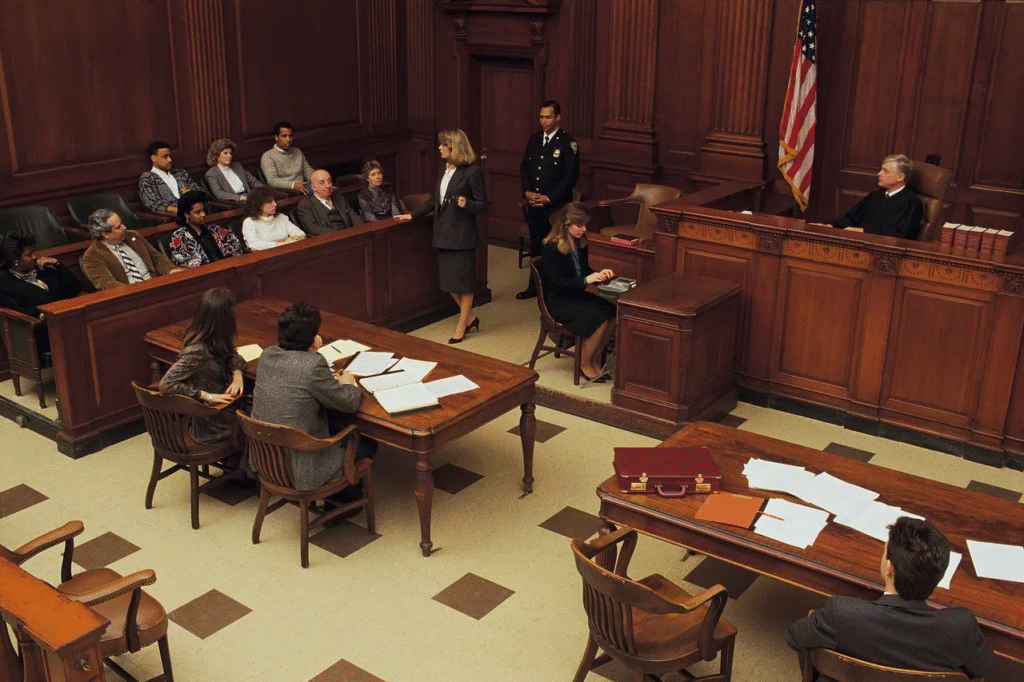
Can you be safely released, and under what conditions?
Bail hearings in Ontario are overseen by Justices of the Peace, formally addressed as “Your Worship” (not “Your Honour,” which is reserved for judges). Their role is to weigh the Crown’s concerns against your lawyer’s submissions and decide whether you can be trusted to remain in the community while your charges are pending.
If you’re granted bail, it comes with a simple, yet serious, set of expectations.
Once you’re out, you have ONE job.
(Okay… technically two, but let’s start with the big one.)
- No new charges.
- No fresh allegations.
- No minor slips that spiral into major breaches.
And here’s the deal: don’t test the system. Don’t play in the grey zone. Don’t let frustration, boredom, or bad company write your next set of conditions. When you’re released on bail, you’re holding the court’s trust in your hands. Protect it like it’s gold.
Sounds simple, right?
You’d think so.
But if I had a penny for every client who reoffended while out on bail, I’d be writing this blog from Greece—reclined under the sun, sipping a margarita by the Mediterranean.
Instead, I’m sitting in my office on a Sunday morning… trying to remind you:
DO. NOT. REOFFEND. Not even a little.

Even if it feels “minor”—whatever minor means to you—every offence matters, and every breach counts. The system doesn’t grade your mistakes on a curve.
In Canada, you have a constitutional right to a bail hearing. It’s a cornerstone of our criminal justice system, deeply tied to your presumption of innocence under section 11(d) of the Charter of Rights and Freedoms. In fact, bail is supposed to be the rule, not the exception.
So take your bail conditions seriously—because the courts will.
Sit down with your lawyer.
Go over every single condition of your release.
Then go over it again.

I personally spend 30 minutes explaining the release conditions to my clients, knowing full well they’re barely listening because they’re just excited to go home. But I don’t stop there. I call them within 24 hours and go over the conditions again, step-by-step.
Surprisingly—and knock on wood—as simple as this sounds… It works.
Because here’s the truth:
If you reoffend while on bail, your second shot at freedom becomes a whole lot harder—if it’s even available at all.
You become part of that revolving door the justice system knows too well.
And once you’re in that cycle, getting out becomes the fight of your life.
Sidney Zarabi
Criminal Defence Lawyer