









Facing a criminal charge in Canada can be overwhelming. For most individuals, the first concern is the potential consequences. However, one of the most important parts of any criminal case is understanding how a legal defence is developed and presented before the court.
Criminal defence is not based on any standard formula. Every case depends on its own facts, the available evidence, credibility of the witness, police procedures and the legal principles that apply to the allegations. A proper defence requires careful analysis of all these factors before any legal strategy is chosen.
Under the Canadian law , every accused person is presumed innocent unless the prosecution proves guilt beyond a reasonable doubt. That principle remains one of the strongest protections available within the criminal justice system. The burden of proof always rests with the Crown.
A defence does not always mean denying that an event has occurred. In many cases, the issue is whether the accused had the legal intent required for that offence or whether the surrounding circumstances justify or explain the conduct.
The Purpose of a Criminal Defence
The role of a criminal defence lawyer in St Catharines is to challenge the prosecution’s case wherever the evidence is weak, unreliable, incomplete, or legally flawed.
Depending on the circumstances, a defence may:
- Result in a withdrawal or dismissal of a charge
- Lead to an acquittal at the trial
- Reduce the seriousness of any allegation
- Affect sentencing outcomes
- Prevent long-term legal consequences
An effective defence begins with understanding the facts in detail, reviewing disclosure carefully, and identifying whether the prosecution can actually prove every element of the offence.
Understanding the Different Types of Legal Defences
Canadian criminal law recognizes lots of legal defences. Some are based on justification, meaning the actions were legally necessary under the circumstances. Others are based on an excuse, where the law recognizes that the accused should not be held fully responsible for the conduct.
Below are some of the most recognized criminal defences used in Canadian courts.
Duress: Acting Under Threat
The defence of duress applies where a person commits an offence because they were acting under threats of serious harm or death.
The law recognizes that individuals placed in dangerous situations may act out of fear for their safety or the safety of others. However, not every threat qualifies.
For duress to apply, the court generally examines :
- Whether the threat was immediate and very serious
- Whether the accused reasonably believed the threat would be carried out.
- Whether there was a safe opportunity to avoid participating
- Whether the response was proportionate to the circumstances
For example, if an individual participates in any criminal act because another person threatens immediate violence, then the court may consider whether the accused acted under coercion rather than free choice.
This defence is highly fact-specific and is closely scrutinized by the court.
Automatism : Actions Without Conscious Control
Automatism refers to situations where a person acts without voluntary control over their actions.
In legal terms, the key issue is whether the accused was aware of their behavior and action at the time of the incident. Cases which involve sleepwalking, seizures or specific medical or psychological conditions may raise this defense.
The court carefully examines whether the conduct was completely involuntary. Medical evidence is often required, and these matters can become legally complex because the distinction between mental disorder automatism and non-mental disorder automatism affects how the case will proceed.
Where automatism is successfully established, criminal responsibility may not apply.
Intoxication as a Defence

Intoxication is one of the most misunderstood areas of criminal law in Canada.
Being under the influence of alcohol or drugs does not automatically excuse criminal conduct. However, in limited circumstances, intoxication may become relevant where it affects a person’s ability to form the required intent for an offence.
Certain offences require a proof of specific mental intention. If extreme intoxication prevented the accused from understanding or even controlling their actions, the defence may be raised.
Canadian courts approach this argument cautiously, particularly in cases involving violence. The level of intoxication, the nature of the offence, and the surrounding evidence all play a significant role in determining whether the defence can succeed.
Necessity: Preventing Greater Harm
The defence of necessity applies when a person commits an unlawful act to avoid a more serious and immediate danger.
This defence is based on the principle that, in rare situations, breaking the law may be the only reasonable option available.
Courts generally examines three key factors :
- Whether there was imminent danger
- Whether there were any reasonable legal alternatives
- Whether the harm caused was proportionate to the harm avoided
For example, entering a private property during a life-threatening emergency to seek shelter or assistance.
Necessity is not commonly used, but in the appropriate circumstances, it can provide a complete defence to criminal liability.
Self-Defence Under Canadian Law

Self-defence is one of the most frequently raised defences in criminal court.
Canadian law permits individuals to use reasonable force to protect themselves or another person from harm. However, the force used must be proportionate to the threat faced.
The court considers several factors, including :
- The nature of the threat
- Whether the accused believed force was necessary.
- The reasonableness of the response.
- Whether other options were available during that time.
Every self-defence case depends heavily on context. Courts closely examine witness evidence, physical evidence, and the behaviour of everyone involved before determining whether the force used was legally justified.
Mistake of Fact
A mistake of fact defence arises where an accused acted based on an honest but mistaken understanding of the situation.
If the mistake removes the required criminal intent, the accused may not be legally responsible for the offence.
For example, if a person takes property honestly believing it belongs to them, the intention required for theft may not exist.
The key issue is whether the belief was honestly held at the time of the incident.
Mental Disorder Defence
In some criminal cases, the accused may suffer from a mental disorder that prevents them from understanding the nature of their actions or knowing that the conduct was legally wrong.
Where this defence applies, the court may find the individual not criminally responsible.
This does not mean the matter simply disappears. Instead, the accused may become subject to a separate legal process involving treatment, supervision, and review by specialized boards rather than traditional sentencing.
Mental disorder cases require detailed medical evidence and careful legal assessment.
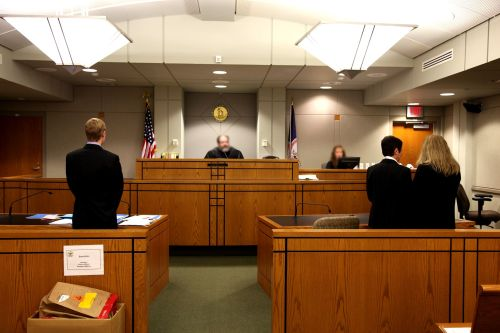
How Criminal Defences Are Presented in Court
Identifying a possible defence is only one part of the process. The defence must also be supported by credible evidence and presented effectively before the court.
This may involve :
- Reviewing police procedures
- Challenging witness credibility
- Examining inconsistencies in statements
- Cross-examining prosecution witnesses
- Presenting expert testimony
- Introducing medical or forensic evidence
In many cases, the defence strategy focuses not only on raising a specific defence, but also on exposing weaknesses within the prosecution’s case itself.
Even where a defence appears strong, poor preparation or weak presentation can significantly affect the outcome.
Why Legal Strategy Matters
No two criminal cases are identical. A successful defence often depends on timing, preparation, negotiation, and a detailed understanding of criminal procedure.
In some situations, several possible defences may exist. In others, the strongest strategy may involve challenging whether the prosecution’s evidence is reliable enough to support a conviction.
Effective defence work requires more than legal knowledge alone. It requires judgment, preparation, and the ability to anticipate how the Crown is likely to present its case at trial.
Final Thoughts
Criminal defence in Canada is built on legal principles designed to protect fairness within the justice system. Defences such as duress, automatism, necessity, intoxication, self-defence, and mistake of fact exist because the law recognizes that human behaviour and real-life situations are often more complex than they first appear.
Every allegation must be examined carefully on its own facts. The outcome of a criminal case frequently depends on the quality of the legal strategy, the strength of the evidence, and how effectively the defence is presented before the court.
Understanding your rights early and obtaining proper legal guidance can make a significant difference in protecting your future and ensuring that your case is handled properly from the beginning.
What are the main types of criminal defences in Canada?
Criminal defences in Canada include duress , automatism , intoxication, necessity, self-defence, mistake of fact, and mental disorder. Each defence applies to specific situations and depends on the facts of the case.
What is a mental disorder defence in Canada?
This defence applies when the accused could not understand their actions or know they were wrong due to a mental condition. It may result in a verdict of not criminally responsible.
Is self-defence always accepted in court?
Only self-defense is meeting the legal criteria. The force used must be reasonable and proportionate to the threat faced by the individual and the belief in danger must be genuine.
How does the necessity of defence work?
Necessity applies only when an individual commits an offence to avoid greater harm. The situation must involve immediate danger, no reasonable alternatives during that situation and a proportional response.
What does automatism mean in criminal law?
Automatism refers to any actions that are performed without conscious control, such as during a sleepwalking or any such medical episodes. If proven, it may remove criminal responsibility.
Can intoxication be used as a defence in Canada?
It may apply when extreme intoxication prevents the accused from forming an intent, but courts restrict its use, especially in the cases violent offences.
What is the defence of duress in Canadian law?
Duress occurs when a person commits a crime due to a threat of serious harm or death. The accused must show that they had no choice to avoid the situation and they acted under immediate pressure.