










If you are facing any criminal charges in St. Catharines, one of the first things you will hear is the distinction between a hearing and a trial. The concept of trial vs hearing often confuses many clients, and they walk into my office assuming that they are the same. They are not. Understanding this difference early can shape your expectations, your defence strategy, and ultimately, the outcome of your case.
Understanding the Criminal Court Process in Ontario

Before we break down hearings and trials, it helps to understand where they fit within the broader criminal process.
A criminal case in Ontario typically follows the following path :
- Arrest or charges
- First court appearance
- Bail hearing (if applicable)
- Disclosure of the evidence
- Pre-trial discussions
- Motions and hearings
- Trial (if the matter is not resolved earlier)
Each stage serves a different purpose. Not every case reaches trial. In fact, many are resolved during earlier hearings or negotiations.
Once charges are laid, the court process begins quickly. If someone is arrested and held in custody, they must be brought before a judge or a Justice of the Peace within 24 hours for a bail hearing.
What Is a Hearing in Criminal Court?
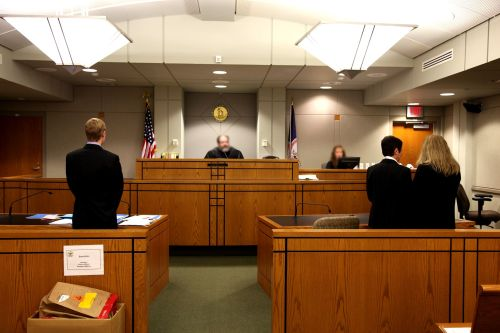
A hearing is a court proceeding where a specific issue is addressed before a judge.
At its core, a hearing is about resolving a particular question, not deciding the entire case.
Common Types of Hearings in St. Catharines
You may encounter several types of hearings, including:
- Bail hearings – determine whether you will be released or held in custody
- Preliminary hearings (or inquiries) – assess whether there is enough evidence to proceed to trial
- Motion hearings – decide legal issues such as admissibility of evidence
- Sentencing hearings – determine penalties after a conviction
In Canada, a preliminary hearing specifically examines whether there is enough evidence to justify moving forward to trial.
Key Characteristics of a Hearing
- Focus on a specific issue
- Usually shorter in duration
- Typically decided by a judge only.
- May involve limited evidence and testimony
- Often happens before trial
A hearing can significantly impact your case. For example, a successful motion to exclude evidence can weaken the prosecution’s position before trial even begins.
What Is a Trial in Criminal Law?

A trial is the stage where the court determines whether the accused is guilty or not guilty.
This is the most formal and decisive part of the process.
At a trial:
- The Crown presents its evidence
- The defence challenges that particular evidence
- Witnesses are examined and cross-examined
- Legal arguments are made
The goal is clear: to determine guilt beyond a reasonable doubt.
In Canadian criminal law, the burden is always on the prosecution to prove the case, not on the accused to prove innocence.
What Happens During a Trial?
A typical criminal trial includes the following things :
- Opening statements
- Presentation of evidence
- Witness testimony
- Cross-examination
- Closing arguments
- Verdict (by judge or jury)
This is where the entire case is being tested.
The Core Difference: Hearing vs The trial
While both are court proceedings, the difference lies in their purpose and scope.
1. Purpose
- Hearing: Resolves a specific legal issue
- Trial: Determines whether the individual is guilty or not guilty
A hearing might decide whether evidence is admissible. A trial decides whether you are convicted.
2. Scope of Evidence
- Hearing: Limited evidence, focused on one issue
- Trial: Full presentation of all evidence
Hearings are targeted. Trials are comprehensive.
3. Timing in the Case
- Hearing: Occurs at various stages before or after trial
- Trial: Final stage (unless resolved earlier)
Most hearings happen before the trial begin.
4. Level of Formality
- Hearing: Less formal
- Trial: Highly structured and formal
Trials follow strict rules of evidence and procedure.
5. Outcome
- Hearing: Interim decision (e.g., bail granted or denied)
- Trial: Final verdict
A hearing moves the case forward. A trial concludes it.
Why This Difference Matters for Your Defence
From a legal strategy standpoint, hearings are often where cases are won or lost—long before trial.
An experienced criminal defence lawyer will use the hearings to :
- Challenge the weak evidence
- Limit what the Crown can rely upon
- Identify inconsistencies early
- Negotiate stronger outcomes
For instance, if evidence is excluded at a pre-trial hearing, the prosecution’s case may collapse entirely.
Bail Hearings: The First Critical Step
For many accused individuals, the first major court event is the bail hearing. This is not just procedural—it directly affects your freedom.
At a bail hearing, the court decides:
- Whether you can be released
- What conditions you must follow
- Whether you remain in custody
This stage moves quickly and requires immediate preparation.
Working with a bail lawyer St Catharines can make a significant difference. A properly structured bail plan can mean the difference between release and detention.
Preliminary Hearings: Testing the Evidence
In more serious cases, a preliminary hearing may be held to determine whether there is enough evidence to proceed to trial.
This is not about proving guilt—it is about whether the case has enough substance to continue.
From a defence perspective, this stage is the most valuable stage because :
- It reveals the strength of the Crown’s case
- It allows cross-examination of witnesses early
- It can lead to charges being dismissed
Motion Hearings: Where Legal Battles Begin
Some of the most important courtroom battles happen during motion hearings.
These hearings deal with legal questions such as:
- Was evidence obtained unlawfully?
- Should a statement be excluded?
- Were Charter rights violated?
If the defence succeeds in a motion, it can reshape the entire case.
The Trial: Final Determination of the Case
If a case proceeds to trial, everything comes together.
The trial is where :
- The prosecution must prove every element of the offence
- The defence raises reasonable doubt
- The judge or jury evaluates credibility and evidence
If there is any reasonable doubt, the accused must be acquitted.
Strategic Reality: Most Cases Do Not Go to Trial
One of the most important things to understand is that many criminal cases are resolved before reaching trial.
This can happen through:
- Withdrawal of charges
- Plea negotiations
- Resolution discussions during pre-trial stages
This is why early hearings are so critical. They often shape the outcome long before a trial is scheduled.
How an Experienced Lawyer Approaches Hearings vs Trials
A seasoned defence lawyer treats the hearings and trials very differently.
At the Hearing Stage :
- Focus on narrowing issues
- Challenge admissibility
- Gather strategic insights
At the Trial Stage:
- Present a full defence
- Cross-examine the witnesses thoroughly
- Build a reasonable doubt
Both stages require different skills—but equal precision.
Local Perspective: Criminal Court in St. Catharines
Criminal proceedings in St. Catharines follow Ontario court procedures, but local experience matters.
Knowing:
- How specific courts operate
- How Crown attorneys approach cases
- How judges handle hearings
can provide a real advantage.
If you are facing charges, working with the best criminal defence lawyer in St. Catharines ensures that both hearings and trial stages are handled strategically from the outset.
Common Mistakes to Avoid
Over the years, certain mistakes come up repeatedly :
- Treating hearings as “minor” court dates
- Speaking too freely before understanding the case
- Not preparing adequately for bail
- Assuming the case will automatically go to trial
Each step in the process matters. A misstep early on can affect everything that follows.
Final Thoughts
The distinction between a hearing and a trial is more than procedural, it is strategic.
- Hearings shapes the direction of the case
- Trials will determine the final outcome
- Both require careful preparation and a detailed legal insight
Understanding this difference will allow you to make informed decisions and protect your rights at every stage of the case .
If you are dealing with criminal charges in St. Catharines, the earlier you seek legal guidance, the better positioned you will be. A strong defence is not built overnight—it starts from the very first hearing.
What is the main difference between a trial and a hearing in criminal court?
A hearing deals with a specific legal issue, while a trial determines whether you are guilty or innocent. Hearings happen at different stages of a case and focus on limited questions, whereas a trial is the final stage where all evidence is presented and evaluated.
Is a bail hearing the same as a trial in St. Catharines?
No, a bail hearing is not a trial—it only decides whether you will be released or kept in custody.A bail hearing happens early in the process and focuses on release conditions, while the trial happens later and determines the outcome of the charges.
Do all criminal cases go to trial in Ontario?
No, most criminal cases are resolved before reaching trial.Many cases are settled through withdrawals, plea negotiations, or resolutions during hearings, depending on the strength of the evidence and legal arguments.
What happens at a hearing before trial?
A hearing addresses specific issues like bail, evidence admissibility, or whether the case should proceed further .These hearings help shape the direction of the case and can sometimes lead to charges being reduced or dismissed.
Can a case be dismissed during a hearing?
Yes, a case can sometimes be dismissed during a hearing if the evidence is weak or improperly obtained.
For example, if key evidence is excluded during a motion hearing, the prosecution may not have enough to continue.
Why is a bail hearing so important?
A bail hearing is important because it determines whether you stay in custody or are released while your case continues. Early preparation is critical, and working with a bail lawyer St Catharines can improve your chances of securing release with reasonable conditions.
When should I hire a criminal defence lawyer in St. Catharines?
You should hire a criminal defence lawyer as soon as you are charged or your are under an investigation. Early legal guidance helps protect your rights, prepare for hearings, and build a strong defence strategy from the beginning. Choosing the best criminal defence lawyer in St. Catharines can significantly impact your case.
How long does a criminal trial take compared to a hearing?
A hearing is shorter and might take a few hours or a day, while a trial is lengthier and can take several days or even weeks.Trials involve full evidence presentation and witness testimony, making them more detailed and time-consuming than hearings.