








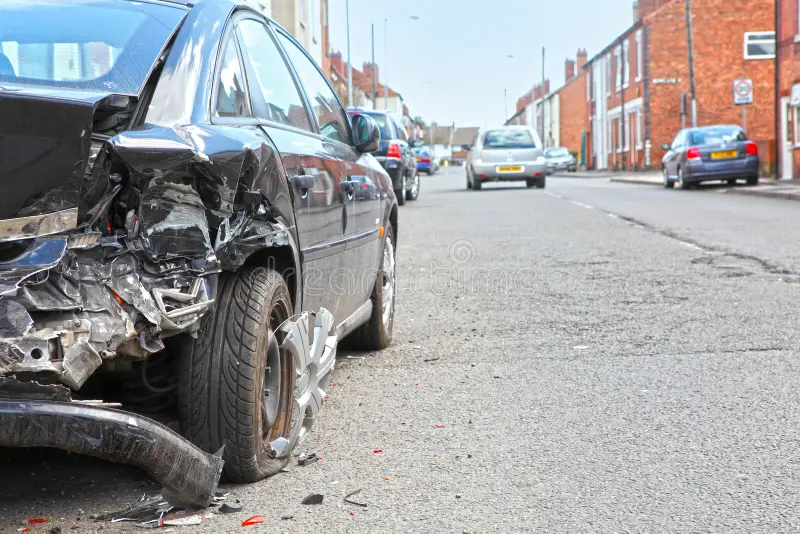
As a Criminal Defence Lawyer in Ontario, I have represented individuals who are charged with serious driving offences across Ontario. One of the most misunderstood charges I continue to see is “hit and run.” Most people imagine a reckless driver fleeing a catastrophic crash. In reality, many cases begin with something far less dramatic — a minor collision in a parking lot, a moment of panic, or a driver who genuinely believed no damage had occurred.
The problem is that Ontario courts do not simply look at the accident itself. They examine what happened immediately afterward. In my experience, that is where ordinary people unknowingly place themselves at legal risk.
Under Ontario law, every driver who is involved in a collision has legal responsibilities. Failing to fulfill them can result in serious criminal charges, licence consequences, substantial financial penalties and in some cases even, imprisonment.
What “Hit and Run” Actually Means in Ontario
A hit and run occurs when a driver is involved in a collision and then leaves the scene without meeting the legal obligations imposed by law. Those obligations may include stopping , identifying yourself, providing required information and offering assistance where injuries may exist.
Over the years, I have defended clients who were shocked to learn they could face allegations after incidents they have considered minor. A light impact with a parked vehicle, damage to a private property or leaving the scene before police arrive can all trigger legal scrutiny.
What matters most is not simply the act of leaving . The court examines whether the driver knowingly attempted to avoid responsibility. That distinction becomes the foundation of nearly every defence strategy in these cases.
The Two Legal Paths: Criminal Code vs. Highway Traffic Act
I can tell you that not every hit and run allegation is treated equally. Ontario law separates these matters into two very different categories.
Criminal Code Charges
Where police believe a driver intentionally fled responsibility — particularly in cases involving bodily harm or death — charges may proceed under the Criminal Code of Canada. These are serious criminal allegations that can carry :
- A permanent criminal record
- Significant fines
- Lengthy driving prohibitions
- Possible jail time
Once criminal intent becomes part of the prosecution’s case, the stakes rise dramatically.
Highway Traffic Act Offences
Less serious matters, especially those involving property damage only, are often prosecuted under Ontario’s Highway Traffic Act. While these are not criminal offences, they should never be treated casually.
Even a provincial offence conviction can lead to :
- Heavy fines
- Demerit points
- Licence suspension
- Insurance consequences lasting years
Many clients underestimate how damaging insurance repercussions alone can become after a conviction.
Why Intent Is Often the Most Important Issue
In courtroom litigation, intent frequently determines whether the prosecution succeeds or fails.
The Crown must establish that the driver knowingly left the scene to avoid legal responsibility. That is not always as straightforward as it sounds.
I have handled matters involving :
- Drivers who genuinely did not realize contact occurred
- Individuals who left because they feared for their safety
- Elderly drivers confused after an impact
- Panicked motorists who intended to report the incident later
The law recognizes that human behaviour after a collision is not always rational. Fear, shock, confusion, and stress can influence decisions in ways that prosecutors may initially overlook.
A strong defence examines the entire context surrounding the incident — not merely the fact that someone drove away.
The Most Common Situations That Lead to Charges

Contrary to popular belief, most hit and run allegations do not arise from high-speed pursuits or dramatic crashes.
In practice, the most common scenarios includes :
- Collisions in parking lot
- Contact with a parked vehicles
- Minor property damage incidents.
- Drivers leaving before the exchange of information
- Delayed accident reporting
- Drivers feeling unsafe remaining at the scene late at night
I have seen respectable professionals, students, parents, and first-time offenders suddenly facing charges because they made a poor decision in a stressful moment.
Unfortunately, what may feel insignificant at the time can quickly escalate once surveillance footage, witnesses, or police investigations become involved.
The Penalties Can Follow You for Years
One of the realities I explain to every client is this: the courtroom penalty is often only part of the problem.
Even where jail is not imposed, the long-term consequences can be severe.
Depending on the circumstances, a conviction may result in :
- Permanent/temporary criminal record
- Increased insurance premiums
- Loss of employment opportunities
- Difficulty crossing international borders
- Professional licensing complications
- Damage to personal reputation
In cases involving any bodily harm or even fatalities, sentencing courts usually treat these matters with an extreme seriousness. Judges across Ontario consistently emphasize accountability and public safety in hit and run cases.
How Experienced Defence Lawyers Build These Cases
I can say confidently that successful defences are rarely built on emotion. They are built on evidence, timing, and careful legal analysis.
A defence lawyer may challenge :
- Whether the accused knew a collision occurred
- Whether the prosecution can prove intent
- The reliability of witness testimony
- Surveillance or identification evidence
- Police investigative procedures
- Charter violations during detention or arrest
In some cases, the issue is not whether an accident occurred at all, but whether the Crown can prove beyond a reasonable doubt that the accused deliberately avoided responsibility.
That burden of proof remains one of the strongest protections available under Canadian criminal law.
What You Should Do Immediately After Any Collision

The first few minutes after an accident can determine whether the situation remains manageable or becomes a criminal matter.
After any collision in Ontario :
- Stop your vehicle immediately.
- Check whether anyone is injured
- Contact emergency services if necessary
- Exchange identifying information
- Document the scene where possible
- Report the incident when legally required
In my experience, many hit and run charges could have been avoided entirely had the driver simply remained at the scene and complied with these obligations.
Why Early Legal Advice Matters
One of the biggest mistakes people make is waiting too long before speaking with counsel .
By the time formal charges are laid, important evidence may already be lost :
- Surveillance footage may disappear
- Witness memories fade
- Statements may already have been given to police
- Insurance communications may complicate the defence
Early legal intervention can sometimes helps to prevent matters from escalating unnecessarily. In certain situations, counsel may even resolve issues before formal criminal proceedings advance significantly.
That is why experienced criminal defence lawyers focus not only on courtroom advocacy, but also on strategic early case management.
Final Thoughts
A criminal lawyer in St. Catharines I have defended clients throughout Ontario, I have learned that hit and run cases are rarely as simple as they first appear.
Good people sometimes make poor decisions under pressure. Panic is not uncommon in such situations . Confusion after an accident is real. But once police become involved, the legal system moves quickly, and the consequences can become serious very fast.
The most important thing any individual can do is understand their rights early, avoid making assumptions, and obtain experienced legal advice before the situation worsens.
Because in criminal law, what happens after the collision often matters just as much as the collision itself.
What does hit and run mean under Ontario law?
A hit and run refers to a situation where the driver involved in a collision fails to stop, identify themselves or provide assistance if required. The law focuses on whether the driver knowingly avoided their legal responsibilities after the incident .
Can a minor accident still be considered a hit and run?
Even any minor incidents like scratching a parked car will qualify if the driver leaves without providing their details or attempting to notify the owner. The severity of damage does not eliminate the legal obligations.
Is intent important in hit and run cases?
Intent plays a very crucial role. The prosecution must show that the driver intended to avoid responsibility. If the driver was unaware of the accident or left for safety reasons, it may impact the outcome of the case.
What penalties can someone face for a hit and run in Ontario?
Penalties can range from fines and license suspension to even imprisonment in serious cases involving critical injury or death. A conviction may also result in a permanent criminal record and an increased insurance costs.
Should I contact a lawyer after being charged with a hit and run?
Consulting a legal professional during the early stage of an incident can help you understand your rights and options . A lawyer can assess the evidence, build a proper defence and work towards reducing or dismissing the charges.
Can you defend a hit and run charge successfully?
Many cases can be defended depending on the circumstances . Common defences include lack of knowledge, absence of intent, mistaken identity, or insufficient evidence presented by the prosecution.
What should I do immediately after an accident to avoid charges?
You should stop your vehicle, then check for the injuries, exchange information, and document the scene. Reporting the incident when required is also essential to remain compliant with the law.
How does a hit and run conviction affect your future?
A conviction can impact the employment opportunities, travel and insurance rates. It may also result in a permanent criminal record, making it important to handle the case carefully with proper legal support.