









Thou shall follow your bail conditions.
Because freedom is fragile — and justice is what keeps it alive.
So… What About This Bail Thing?
I’m not sure even divine intervention could help me fit this topic into one blog post, but here it goes. Because really, without understanding the history behind “bail” — how it evolved through time, how it was enshrined in our Constitution, and how it compares to what happens in other parts of the world — we can’t truly appreciate what it means or why it matters.
Now, I’m not going to pretend to be a historian or quote philosophers and scholars who wrote about prisons and revolutions. Hmm… never mind, I’m going to. Aleksandr Solzhenitsyn, in The Gulag Archipelago, put it best:
“You only have power over people as long as you don’t take everything away from them. But when you’ve robbed a man of everything, he’s no longer in your power—he’s free.”
He wrote about men taken in the night, vanishing without trial or bail, their fates decided not by justice but by fear.
For me, that’s not just a passage from history — it’s personal. It’s my father’s story.
He was taken away one night by people we didn’t know. No warrant, no explanation — just gone. For three long months, we didn’t even know where he was. There was no bail, no hearing, no chance for anyone to intervene. When we finally found him, he was standing with a noose around his neck. His childhood friend — now part of the revolutionary guard — stepped in at the last moment.
The condition for his release was simple but cruel: he had to promise never to speak of women’s rights or say anything against the government.
And he agreed. They shaved his head, took the rope away, and let him go.
But the memory — that rope, that helplessness, the silence that followed — killed him from the inside, one day at a time.
And that, right there, is why bail matters.

It’s not just a legal technicality or courtroom procedure. It’s a safeguard, a promise that no one can be stripped of their liberty without oversight, without reason, without a fair chance to defend themselves. It’s one of those quiet, powerful protections that separate democracy from tyranny.
Under Section 11(e) of our Canadian Charter of Rights and Freedoms, the cornerstone of our Constitution and the umbrella that shelters so many of our rights, every person has
“the right not to be denied reasonable bail without just cause.”
That single phrase carries centuries of hard-learned lessons about justice, fairness, and freedom. It reminds us that liberty cannot be a privilege handed down by the state — it must be a right protected from it.
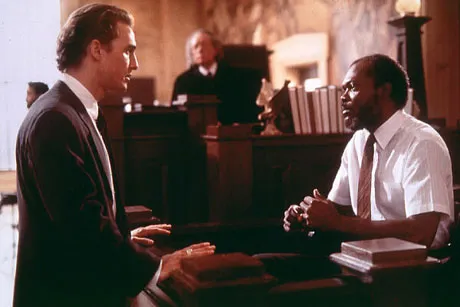
Now, I’m going to borrow from one of my favourite closing arguments in film history — from A Time to Kill.
“I’m going to ask you all to close your eyes while I tell you the story. I want you to listen to me. I want you to listen to yourselves. Go ahead. Close your eyes, please.”
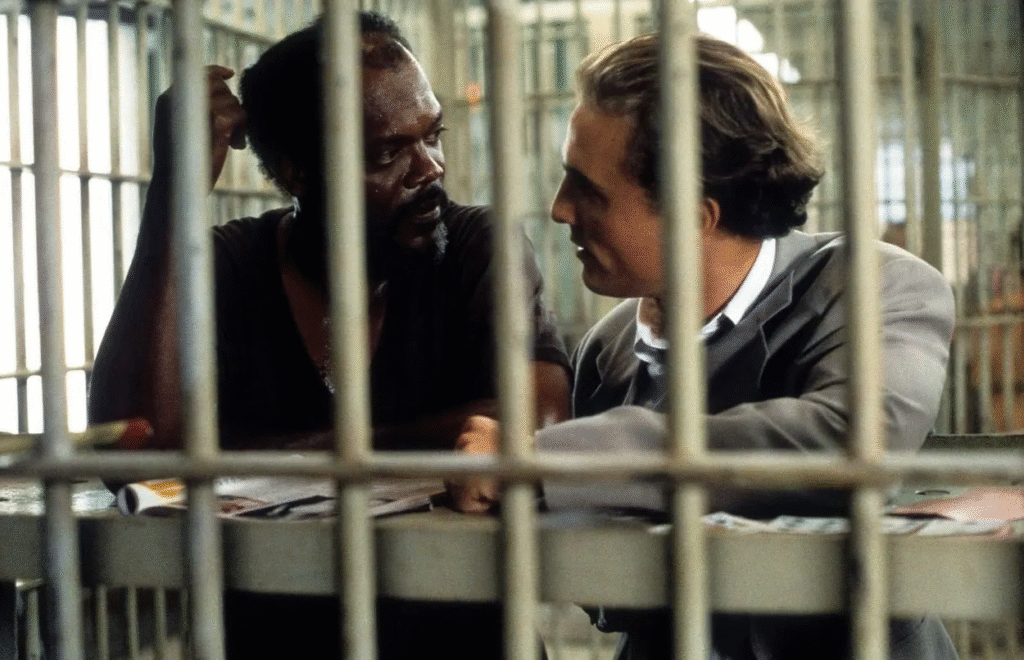
This is a story about a young man in his late twenties. He has a lengthy criminal record, the kind that makes judges frown before the file is even opened. In his younger years, he battled drug addiction.
He broke into houses, stole whatever he could, just to feed his habit.
Then, he met a lawyer who cared — someone who didn’t just fight for him in court, but helped him find the support and resources to rebuild his life. He listened. He got clean. He found work. He started a family. For the first time, he had something to lose.
But life wasn’t easy. He worked long hours, often past midnight, still barely able to pay his bills. One night, his manager was closing the store and began counting the cash. The numbers didn’t add up. Two thousand dollars were missing. He counted again. Still short.
He called the young man; the same man who once stole to survive. Then he called the police.
The young man sits crying alone as he’s detained, broken, exhausted, and scared. By the time morning comes, he’s been charged. And now, it’s time for his bail hearing.
He stands before the court, watching as his bail hearing unfolds.
You can see him beaten, broken, trembling.
And because of his criminal record, he’s detained — left to wait in the cold silence of detention until his trial, or until the harshness of confinement breaks him into pleading guilty to a crime he didn’t commit.
By then, he has lost his job, his home, his family, and above all, his dignity. The memory of detention — the helplessness, the silence that followed, slowly kills him from the inside, one day at a time.
Now, slowly open your eyes. Imagine this young man is your son, your brother, your nephew. He fought the hardest battle of his life — addiction — and won, only to find himself trapped once more. Despite the presumption of innocence, he waits for his trial behind bars.
So what now? Bail reform isn’t a matter of black and white. It’s not a zero-sum game between public safety and individual rights.
It’s about finding balance — about recognizing that behind every charge, every case number, and every court appearance, there is a human being.
We must remember that bail isn’t mercy. It’s justice. It’s the recognition that a person’s liberty should not depend on their past, their income, or the weight of society’s assumptions.
Reforming bail isn’t about making the system softer, it’s about making it fairer. Because the measure of a just society isn’t how quickly it punishes, but how carefully it protects.
And maybe, just maybe, if we can see the humanity in that young man — or in my father, or in anyone standing before a judge — we might begin to understand what justice is really supposed to look like.
Written by Sidney Zarabi
Criminal Defence Lawyer
If you enjoyed this post or believe these conversations matter, please subscribe and share to help spread awareness about justice, fairness, and reform.